In depth
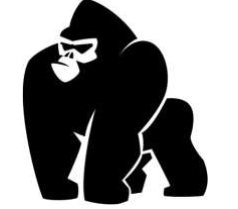
The case before the EUIPO Board of Appeal involved a dispute over the unauthorized registration of a trademark that closely resembled an original illustration — a stylized gorilla silhouette — created and commercially exploited by Chubby Gorilla, Inc. in both the United States and Europe. The original illustration was protected as a copyright work in the US and, under the Berne Convention and the principle of national treatment, was also eligible for protection in each EU Member State.
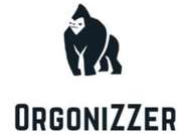
The contested trademark was filed by a third party who had no rights to the original artwork. Despite minor modifications, the trademark reproduced the core, distinctive features of the gorilla illustration, making the original work clearly recognizable. The Board of Appeal’s analysis was comprehensive, involving both legal reasoning and expert reports, including a detailed visual comparison of the two illustrations.
 |
 |
| Earlier protected work |
Trademark Application |
Key aspects of the Board’s analysis included:
- International scope of copyright: The Board confirmed that copyright protection in the EU is not limited to works first registered or created within the EU. Thanks to the Berne Convention, works protected by copyright in third countries — such as the United States — are eligible for protection in all EU Member States, provided they meet the minimum standards of originality and other requirements under each national law.
- Threshold for infringement: The Board clarified that infringement does not require an exact copy. Instead, the decisive factor is whether the essential and recognizable elements of the original work are present in the contested trademark. Even if there are differences in detail or style, substantial similarity in the core features is sufficient to establish infringement.
- Role of expert analysis: The decision placed significant weight on expert reports, which demonstrated that the trademark, despite some superficial differences, retained all the fundamental characteristics of the original gorilla illustration. The expert analysis highlighted that the similarities “far outweigh the differences” and that the overall impression left by the trademark was that of a substantial copy.
- Legal reasoning and precedents: The Board referenced both EU and Spanish case law, emphasizing that copyright protection extends to artistic works such as logos, and that transformation or adaptation of such works into trademarks requires the explicit consent of the copyright holder. The Board also noted that the addition of minor elements (such as a word or slight stylistic changes) does not negate infringement if the core of the original work remains recognizable.
Ultimately, the Board of Appeal annulled the contested trademark, declaring it invalid in its entirety. This outcome reinforces the importance of respecting copyright when seeking trademark protection and highlights the risks of attempting to register or use figurative elements that are derived from pre-existing copyrighted works without proper authorization.
Why is this decision relevant?
- Copyright protection for foreign works is recognized in EU countries through international treaties such as the Berne Convention.
- Substantial similarity, not identical reproduction, is enough to trigger infringement.
- Expert reports are critical in assessing whether a trademark unlawfully reproduces protected works.
- Preventive measures are essential: before registering or using a figurative element as a trademark — even adapted versions — conduct a thorough review of potential pre-existing copyright rights.
Key takeaways
For businesses and creators, the safest approach is to conduct a thorough copyright clearance before registering or using a figurative element as a trademark. Prevention and proactive protection remain the best strategies to ensure legal certainty and safeguard the value of your intangible assets.
Proactive copyright checks are the best way to avoid costly disputes and protect your brand.